Choosing Local Barcelona Tours That Fit How You Want to Explore
Picking the right tours by locals Barcelona has to offer is less about finding the biggest name and more about matching the experience to your pace, interests and tolerance for crowds. Barcelona rewards curiosity. A narrow lane can hold a story, a market stall can explain a neighbourhood, and a short walk can cover layers of history that are easy to miss from a metro window. The trick is to choose a tour that gives those details room to breathe.
Start with the kind of day you actually want. Some people enjoy a brisk orientation that links major sights, while others prefer a slow wander through residential streets, small squares and food markets. Neither approach is better in every case. A first visit may call for context around architectural heritage, while a return trip may be better spent in El Born district or another neighbourhood with a clearer local rhythm. Be honest about energy levels, arrival time and how much walking feels comfortable. The best tours by locals barcelona visitors choose tend to fit the day around them rather than forcing a packed schedule.
Decide what local means to you
The phrase can cover many styles. One tour may focus on hidden gems and quiet corners. Another may build the day around food markets, tastings and everyday buying habits. A third may lean into cultural anecdotes, the stories behind buildings, streets and traditions. Read the description closely and look for specifics. If it only says authentic experiences with no detail about route, subjects or stops, treat that as a vague promise rather than a reason to book.
Think about the balance between known sights and neighbourhood texture. Barcelona has famous landmarks for good reason, but a local angle often works best when it connects them to daily life. For instance, a route might explain why certain streets feel different, how districts changed over time, or where people still shop and eat. That kind of local insights gives a tour substance beyond a list of photo stops.
Check the route and the walking demand
Once a theme feels right, look at the practical shape of the day. Where does it begin, where does it end, and how much ground does it cover? Walking routes can sound short on paper yet feel longer in warm weather, especially on uneven pavements or busy pavements near popular sights. Check whether there are pauses built in, and whether those pauses are for a story, a viewpoint, a café or a market visit.
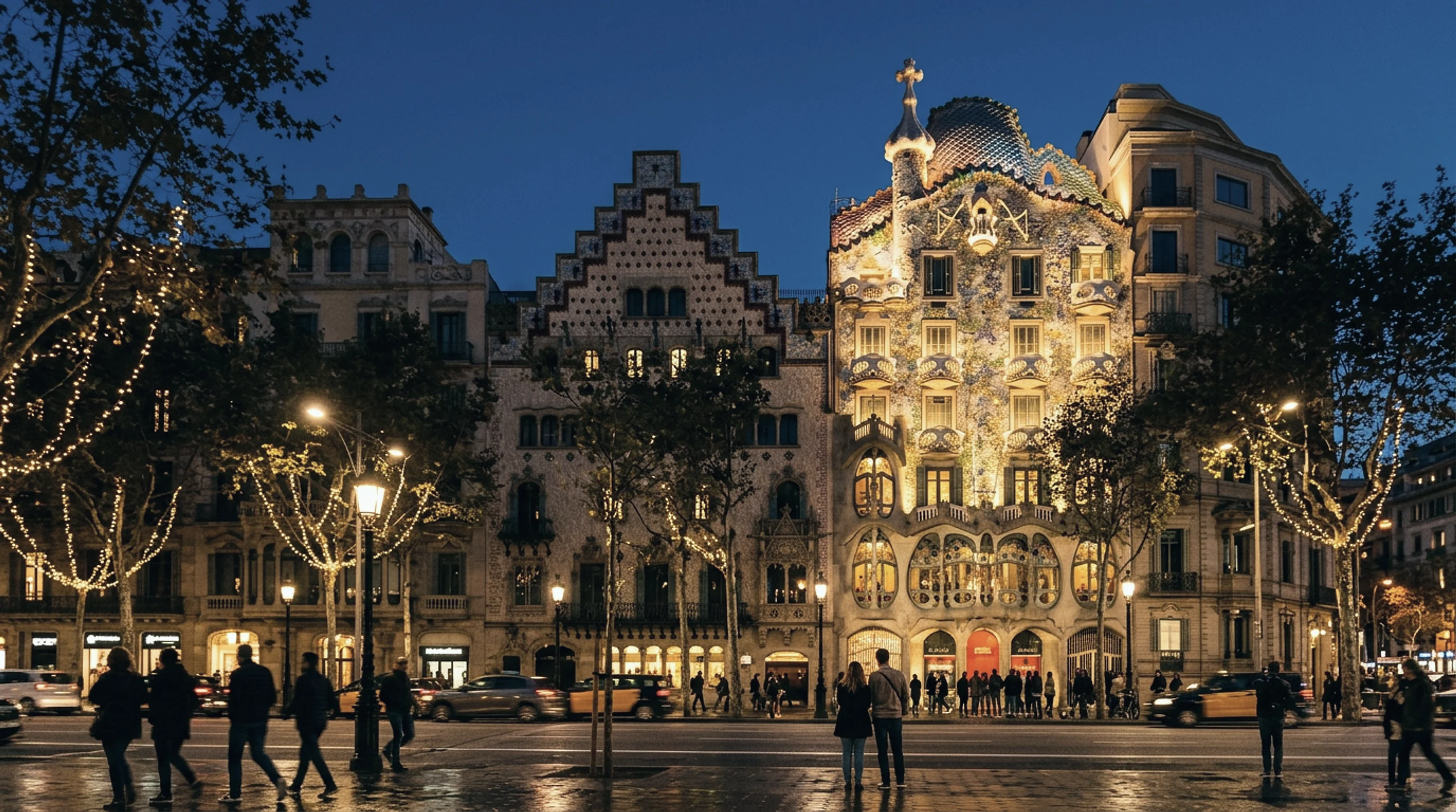
Also consider how the route handles crowds. A tour through a famous area at midday will feel different from the same streets early in the day. That is not a flaw, but it should match expectations. If the aim is a quiet look at hidden gems, ask whether the quieter sections happen before or after the busiest stops. If the aim is atmosphere, crowds may be part of the setting. Clarity at this stage prevents disappointment later.
Read the guide description for perspective
A good local angle depends on the person leading it. Look for a guide description that explains knowledge, interests and style without relying on grand claims. Practical signs matter: does the description mention neighbourhood familiarity, architecture, food culture, history or everyday customs? Does it suggest that questions are welcome? Does it say how the group will be managed?
Tone is useful evidence. A description written in plain, specific language often signals a clearer experience than one built from slogans. If every sentence promises something exclusive, remarkable or unforgettable, the tour may be more polished in marketing than in delivery. The aim is not to find perfection in writing. It is to see whether the guide seems prepared to explain places in a way that helps you understand them.
When comparing options, keep Private Tour in Barcelona in mind as one label among many rather than a shortcut to the right choice. The useful question is what the tour actually covers and how it handles the details you care about.
Compare group size and pace
Group size changes the feel of a tour. A smaller group makes it easier to hear questions, move through narrow streets and pause without losing momentum. A larger group may feel more lively, but it can turn a good story into something heard from the back. If you are choosing tours by locals barcelona for a special occasion or a first proper look at the city, a smaller setting often makes the experience easier to follow.
Pace matters just as much. Some tours move quickly between stops and suit people who like coverage. Others spend longer in fewer places and suit people who want to absorb detail. Check how long the tour lasts and what happens during that time. A route with many stops can feel rushed if each one gets only a few minutes. A shorter route may feel richer if it leaves space for questions and observation.
Match the tour to your interests
Use a simple filter before booking. Pick two or three themes that matter most, then compare each tour against them. This keeps the decision focused when descriptions start to blur together.
- History and buildings: look for clear attention to architectural heritage, with context that explains why styles and districts developed as they did.
- Food and daily life: look for food markets, local buying habits and a route that includes places where food is part of the neighbourhood rather than a staged stop.
- Neighbourhood character: look for El Born district or similar areas where streets, squares and small shops reveal a slower side of the city.
- Stories and atmosphere: look for cultural anecdotes that connect a place to the people and customs around it.
- Quiet discovery: look for hidden gems with a believable route, not just a promise to avoid crowds.
This approach also helps with trade-offs. A food-focused tour may offer fewer landmark explanations. A history-heavy tour may spend less time in shops or cafés. A route built around hidden corners may involve more walking between shaded streets. None of that is a problem if it matches what you want from the day.
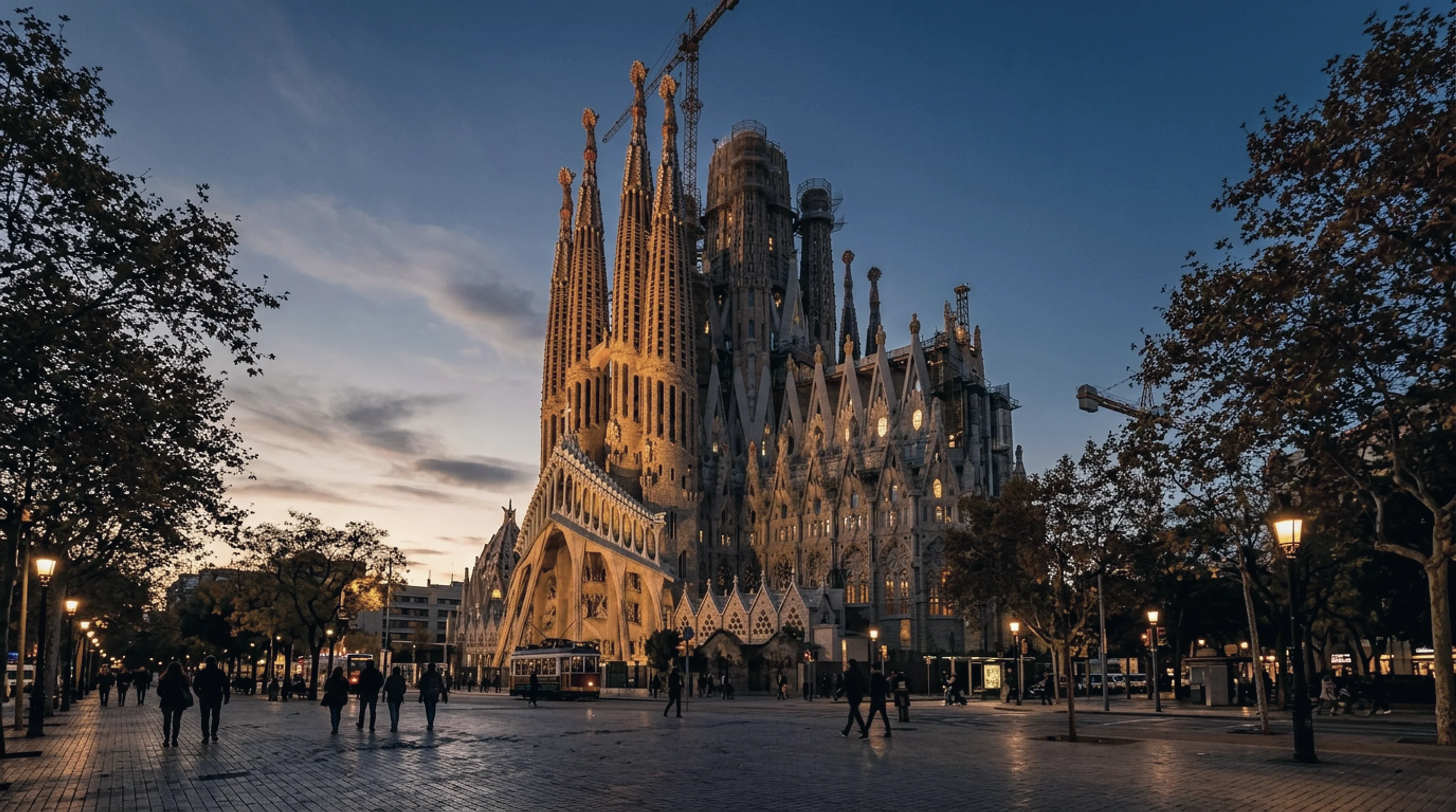
Check timing against the city rhythm
Barcelona does not feel the same at every hour. Morning routes can suit markets, quieter streets and easier movement around busy areas. Late afternoon can suit neighbourhood walks, light and a more relaxed pace. Evening tours can feel different again, especially where the focus is atmosphere rather than detailed visits.
When reviewing options, check whether the timing supports the theme. A food market story works best when markets are active. A walk focused on architectural detail benefits from daylight. A route promising local insights may need time for shops, residents and street life to be visible. If the timing seems mismatched, the tour description may be more appealing than the actual experience.
Private Tour in Barcelona can be a useful search phrase when beginning this kind of comparison, but the decision should rest on the itinerary, timing and guide style. Those details tell you far more than a broad label.
Look closely at what is included and what is not
Inclusions shape the day. Some tours include entry to specific sites, tastings or transport between areas. Others are purely walking and storytelling. Neither format is automatically superior. What matters is whether the inclusions support the theme and whether you understand what you are expected to arrange yourself.
Watch for vague wording around stops. If a description names several landmarks but does not say whether you enter them, assume the focus may be outside only. If food is mentioned, check whether it is a tasting, a full meal or simply a stop where purchases are optional. If a route crosses the city, check whether transport is part of the plan or whether you should arrive already positioned. Clear boundaries make the day easier to enjoy.
Read reviews for patterns, not praise
Reviews are most useful when you look for repeated practical details. Comments about pacing, clarity, route balance and guide style can help you judge fit. One glowing review may say little, while several comments about the same strength or weakness can reveal a pattern. Pay attention to how reviewers describe the balance between facts and conversation, since that often determines whether a tour feels engaging or mechanical.
Also read with context. A reviewer who wanted a broad overview may dislike a slow neighbourhood walk, while another may value exactly that. Separate personal preference from genuine issues. Complaints about unclear meeting details, rushed stops or a route that did not match the description matter more than a preference for a different theme.
Ask a few focused questions before committing
If the description leaves gaps, ask before booking. Short, specific questions usually produce the most useful answers. Keep them practical and tied to your decision.
- How much of the route is walking, and are there planned pauses?
- Which parts focus on local insights, and which parts cover major sights?
- How does the guide handle questions and different interests within a group?
- What happens if weather changes the route or the pace?
The answers should help you picture the day. If they remain general, the tour may not have been thought through in the detail you need. If they are clear, you can judge whether the experience suits your expectations.
Make the final choice with fit in mind
By this point, the right option should stand out for practical reasons. It should cover a theme you care about, use a route that suits your energy, run at a sensible time and explain what is included. The best tours by locals barcelona can offer are not defined by a single famous stop. They are defined by the way a place becomes easier to understand through careful observation, useful context and a guide who respects the city as more than a backdrop.
Choose the tour that leaves space for the parts of Barcelona you want to notice. If that means a focused walk through El Born district, a food market route, or a broader look at architectural heritage, the decision becomes much simpler. A good local tour should send you away with sharper attention, not just a list of places you passed.